Flower buying guide
Flowers for a Coworker: Keep the Gift Comfortable and Work-Appropriate
Choose coworker flowers around your professional relationship, the recipient's privacy and a clear, pressure-free message.
By Bloom Lane Flowers · Published
Options to compare
Formats to consider
Consider these formats only if flowers are welcome. Compare the selected size and palette, and confirm any essential ingredients, dimensions or receiving details before ordering.
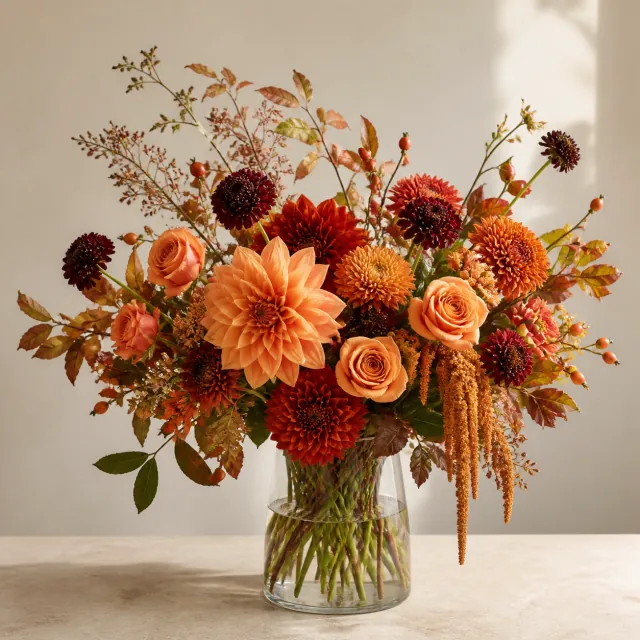
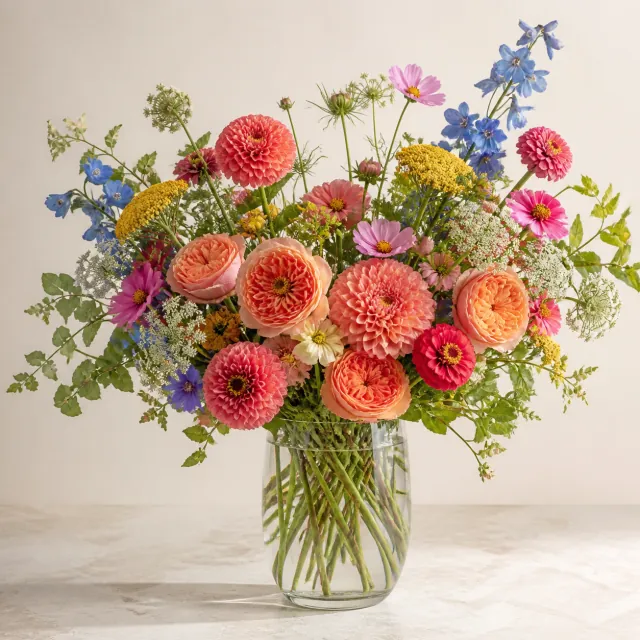
Check the selected product, delivery ZIP and available date before ordering. Availability and timing require confirmation; a requested arrival time or occasion deadline is not guaranteed by an available delivery day.
Flowers for a coworker should feel like appreciation, not a relationship announcement or an obligation. Start with whether the person would welcome the gesture, then make the sender and reason unmistakable. A modest, specific thank-you can be more comfortable than an elaborate surprise that leaves everyone guessing.
The important question is not which flowers look most impressive. It is whether this particular gift fits the relationship you actually have.
Match the gesture to the working relationship
A colleague who has become a close friend may welcome a personal gift. Someone you mostly know through project meetings may prefer a thoughtful note. Neither choice measures how much you value their contribution.
Consider what you already know rather than trying to infer preferences from their job title, age or gender. Have they mentioned enjoying flowers? Do they keep flowers at home? Have they said they dislike workplace attention? A direct question is reasonable: “I’d like to send a small thank-you. Would flowers be something you’d enjoy?”
If you do not know the answer, you can still express gratitude without a purchase. Send a specific message now rather than making a more conspicuous gift stand in for words you have not written.
A reporting relationship deserves extra thought. A gift from a manager should not seem tied to favored status, and a gift to a manager should not feel like a bid for better treatment. Check the workplace’s own gift guidance if relevant; there is no single rule that applies to every employer.
Separate appreciation from private news
Your coworker might tell you something in confidence without wanting the workplace to know it. Flowers accompanied by a revealing card can expose a personal circumstance even when the gift itself seems harmless.
For ordinary work appreciation, keep the message about the work. If the reason involves private family news or another personal matter, ask whether any gift is welcome and what wording they are comfortable with. You do not need to repeat the background to make the gesture thoughtful.
Avoid using a home address found in an old document or shared by someone else as permission to send a personal gift. Ask the recipient before turning professional access to information into personal contact. Respecting that boundary matters more than preserving the surprise.
The same restraint applies afterward. Do not ask for a desk photo, announce the gift in a team channel or describe the recipient’s reaction without their agreement.
Decide whether the gift is from you or the group
A group gift can make the professional context clear, but only if the group really agreed to it. Do not put colleagues’ names on a card without asking them. Contributions should be voluntary, and declining should not require an explanation.
Choose one person to settle the wording with the contributors. That avoids a card filled with mixed signals: half formal congratulations, half private jokes that only some people understand.
If you are giving individually, sign your own name. An anonymous workplace gift can create uncertainty that a warm, straightforward signature would prevent. There is no need to make a coworker solve a mystery before enjoying the flowers.
Choose flowers without inventing a coded message
Mixed flowers can be a useful starting point when you are not trying to recreate a known favorite. Gathered Garden is described as a mixed garden arrangement in a clear glass vase for birthdays, thanks and everyday moments. Designer’s Choice offers a florist-led selection with scale and palette direction.
Those are formats to consider, not proof that flowers are appropriate for every colleague. The recipient’s preferences still come first. A broad palette does not automatically make a gift professional, and no flower color can guarantee how someone will interpret it.
Keep the scale proportionate to the gesture and the relationship. “Thank you for helping me through the project handoff” need not become a grand display. If flowers feel too personal, choose the note rather than trying to fix the mismatch with a different color.
Write the card before choosing the arrangement
A useful card names a real contribution, explains the appreciation and asks for nothing in return.
Thank you for making the handover so clear. Your notes and patience helped me get started with confidence. — Rob
For an agreed group gesture:
We appreciated the care you put into coordinating the launch. Thank you for keeping us informed and making room for everyone’s questions. — The project team
Skip comments about appearance, unexplained affectionate language and jokes that would be uncomfortable if read aloud. You can sound human without making the recipient manage an ambiguous message.
Once the note feels right, ask one final question: would the coworker be comfortable accepting this gift without having to explain it? If yes, choose a welcome format and keep the gesture simple. If not, a well-written thank-you is already a complete gift.