Locate the actual graveside stop
A notice can list a funeral home for visitation, a church for the ceremony, and a cemetery for burial or inurnment. The funeral home may coordinate the plan, but flowers still need a confirmed physical destination. The FTC defines a graveside service as a cemetery service before burial; with cremation, it may accompany placement of an urn in a plot, columbarium, or cremation garden.
Read the complete schedule and note the cemetery name, published entrance details, street address, date, and start time. If the notice says "private interment" or gives no public graveside time, do not send flowers to the cemetery and hope staff find the family. Ask the family contact or funeral director what tribute is welcome.
Choose a design that can travel
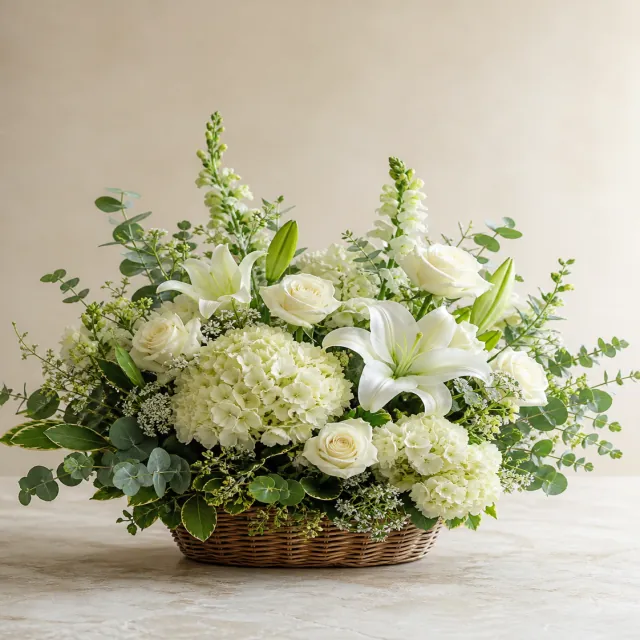
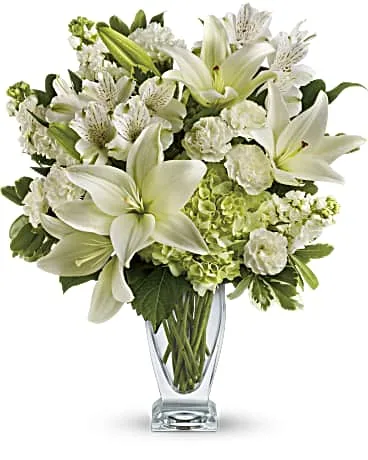
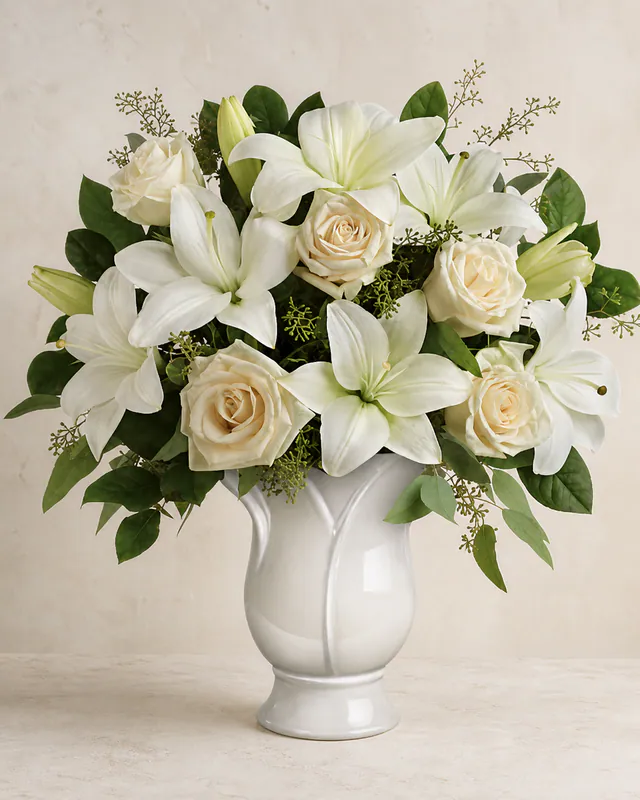
A hand-tied bouquet in a simple wrap can be carried by a family member, while a low basket can sit near the service area when the cemetery permits it. These formats are easier on grass, near a committal shelter, or beside a columbarium than a tall design on an easel. Keep the arrangement stable and light enough for the person carrying it.
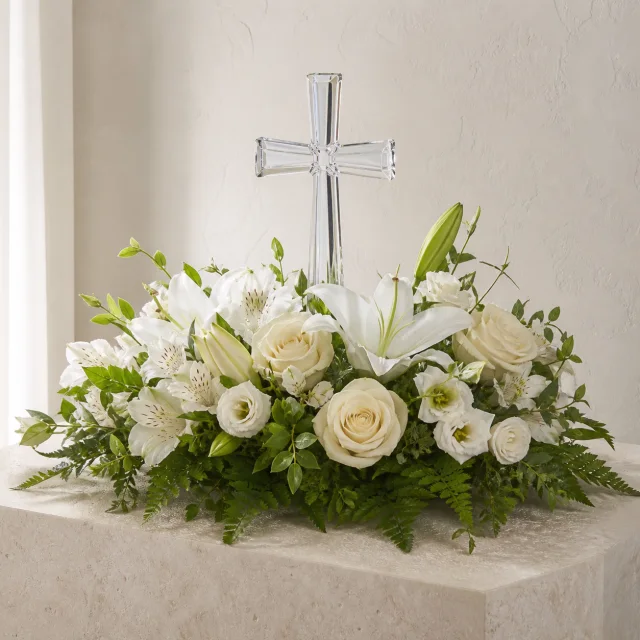
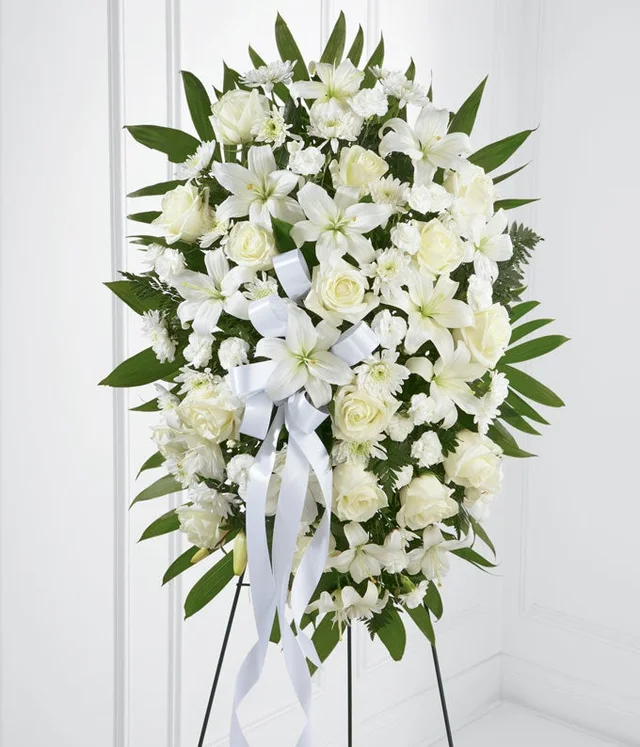
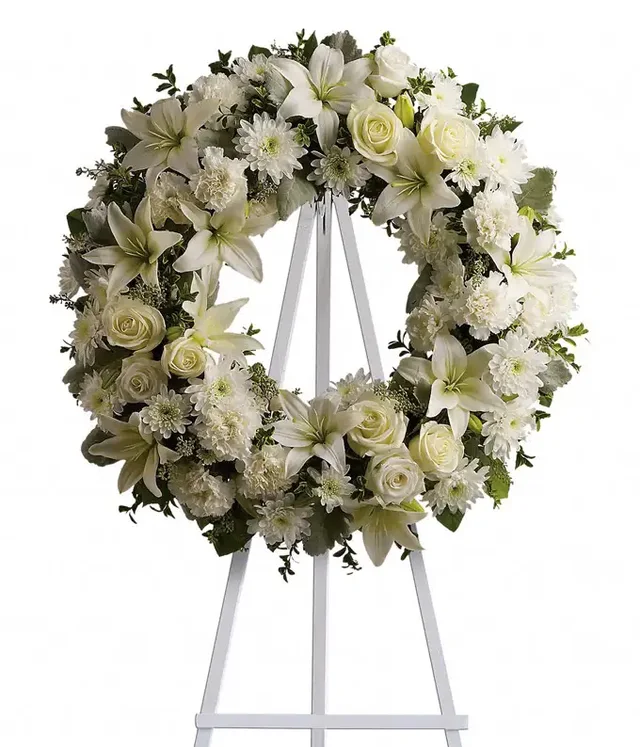
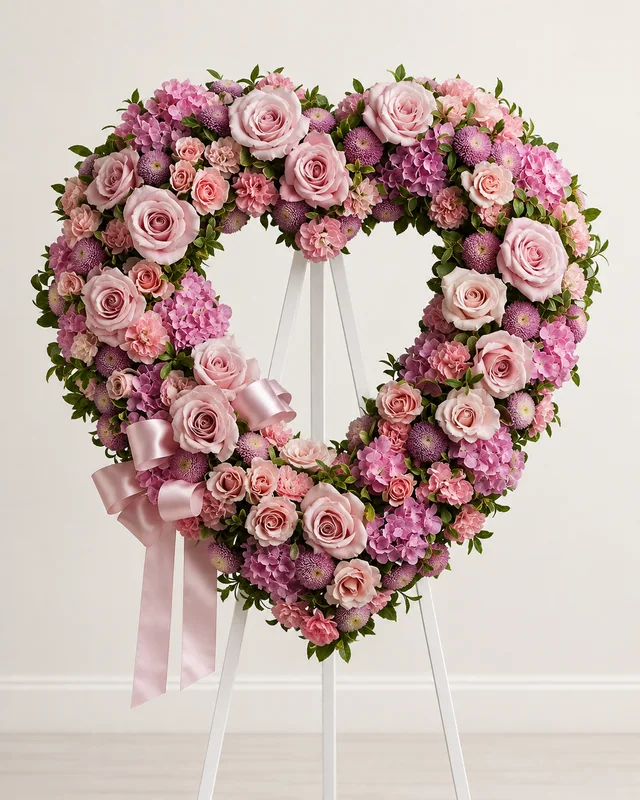
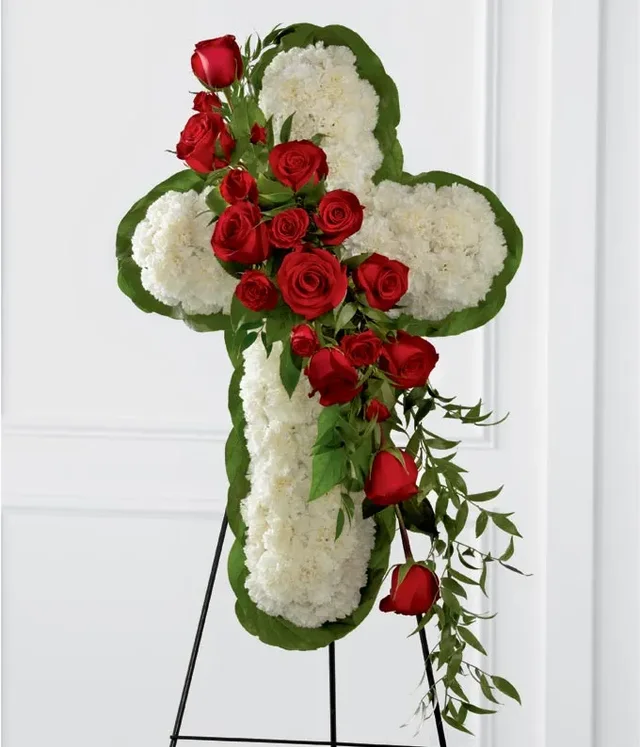
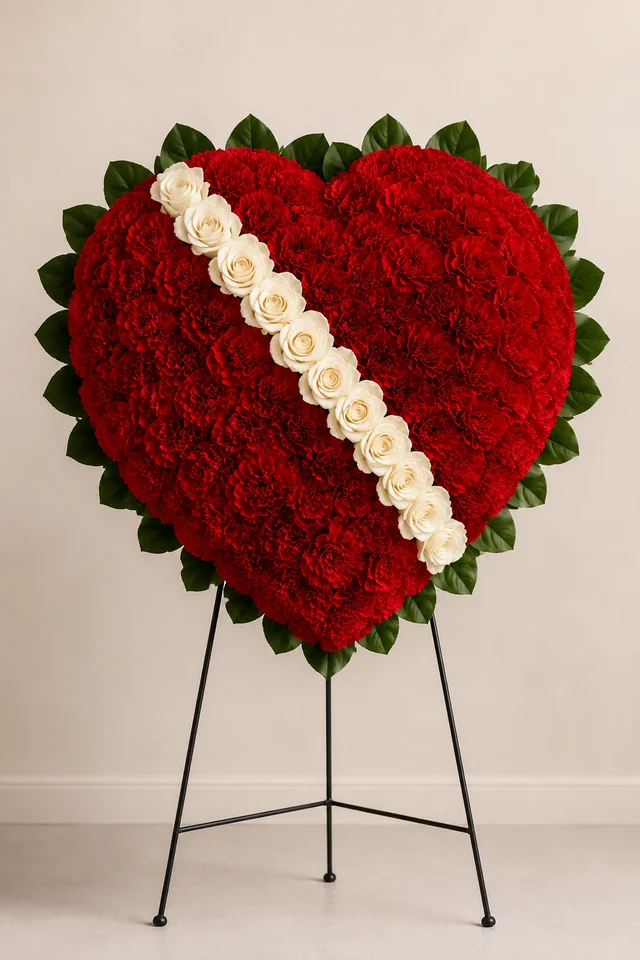
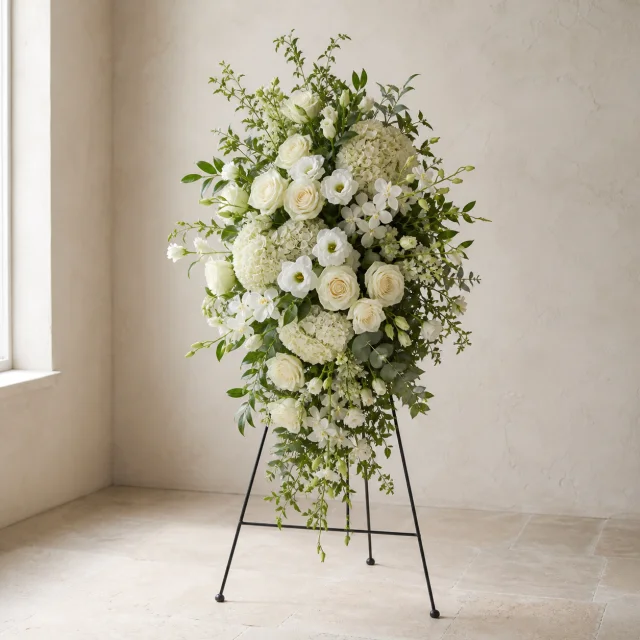
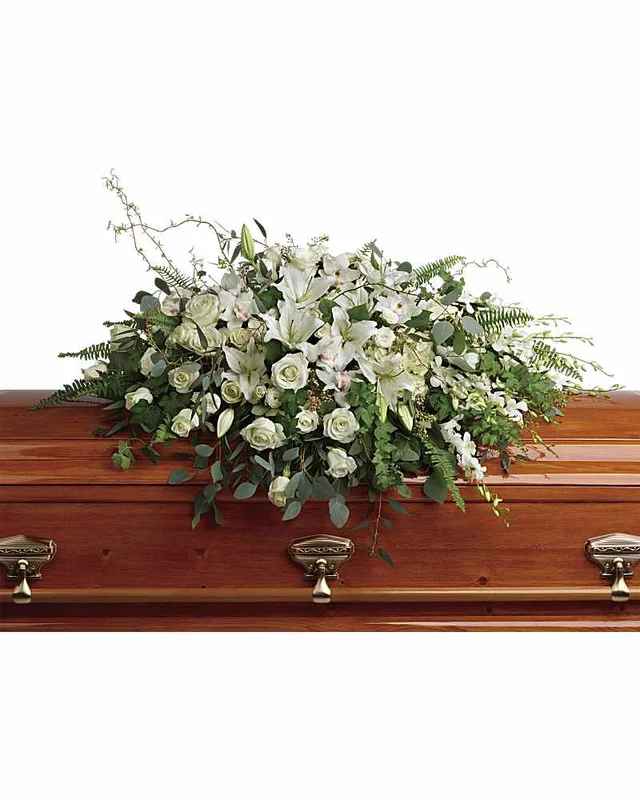
A standing spray, wreath, or casket spray is usually planned for the funeral home or chapel. It may travel with the procession, but that is a coordination decision, not an automatic florist service. Do not choose a large graveside piece unless the funeral director confirms where it can stand without blocking guests, equipment, or another grave.
- Family-held tribute: choose a compact bouquet or finished basket.
- Gravesite after interment: ask whether a low arrangement and container are allowed.
- Columbarium: confirm the designated spot for flowers.
- Earlier chapel service: ask whether the funeral home handles transport.
Check the cemetery flower policy
Cemetery rules are local. A private cemetery, churchyard, municipal cemetery, and national cemetery may set different limits on containers, height, artificial flowers, seasonal items, and removal. Ask before ordering, especially if you want to leave flowers after the committal rather than carry them home.
The current Department of Veterans Affairs National Cemetery Administration directive is one example, not a rule for every cemetery. It allows fresh-cut arrangements at VA national cemeteries subject to conditions, limits many graveside arrangements to 24 inches, directs visitors to cemetery-supplied containers in ordinary circumstances, and places flowers at the base of a columbarium niche column. Check the individual cemetery's posted policy.
Coordinate delivery with the funeral director
Ask whether the florist should deliver to the funeral home, cemetery office, or another authorized receiving point. A cemetery may not have someone available at the gravesite, and a driver should not enter a restricted area without instructions. Give the deceased person's full name, funeral home, and exact graveside date and time.
If a chapel service comes first, ask who takes flowers to the cemetery and which pieces remain. If one arrangement should appear at both locations, the funeral director must approve the plan and the florist may need a separate trip. Never describe an unconfirmed handoff as included.
Time flowers for access and weather
A graveside schedule can involve a procession, committal shelter, uneven ground, narrow paths, or a short receiving window. Ask when flowers may arrive and whether the family will bring them. Plan for weather with a stable design, but do not leave flowers outside a gate or unattended at an office.
Give the florist the earliest event that should have the tribute present. The service start time may not be when staff can accept a delivery. Share a working phone number and respond quickly if the cemetery or funeral home changes the plan.
Decide what happens after the committal
Ask who will take the arrangement home and whether the family wants it left at the grave. Outdoor flowers can fade, move during maintenance, or be removed under a cemetery schedule. The VA directive includes removal and disposal procedures, so a graveside tribute is not a permanent installation.
If you cannot attend, a home delivery after the service may be easier than a cemetery delivery. Confirm the address privately and choose a vase or plant rather than a service display. Follow any request for donations or no flowers.