Start with the cards, not a blank page
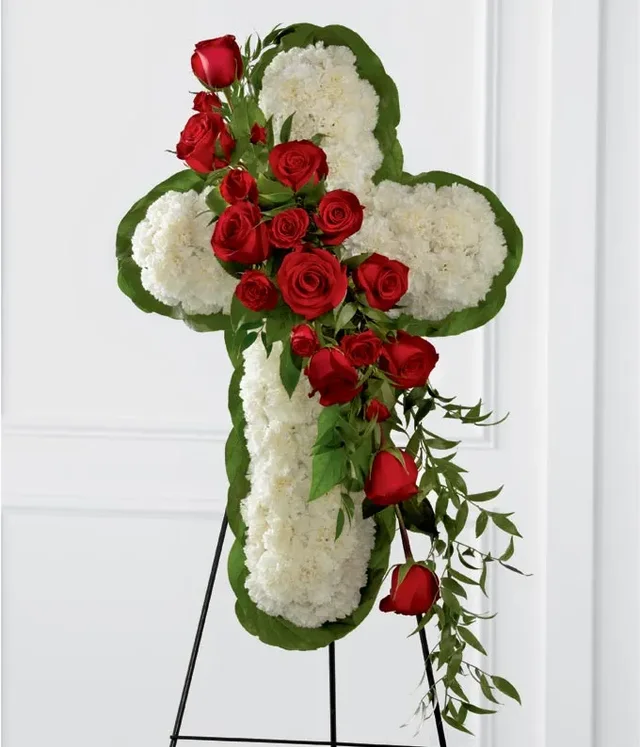
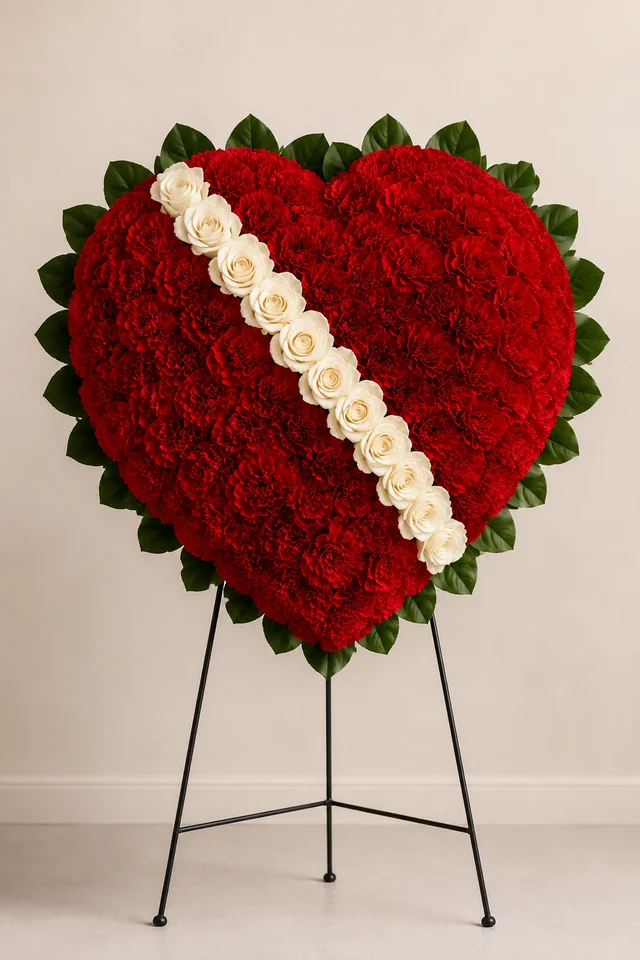
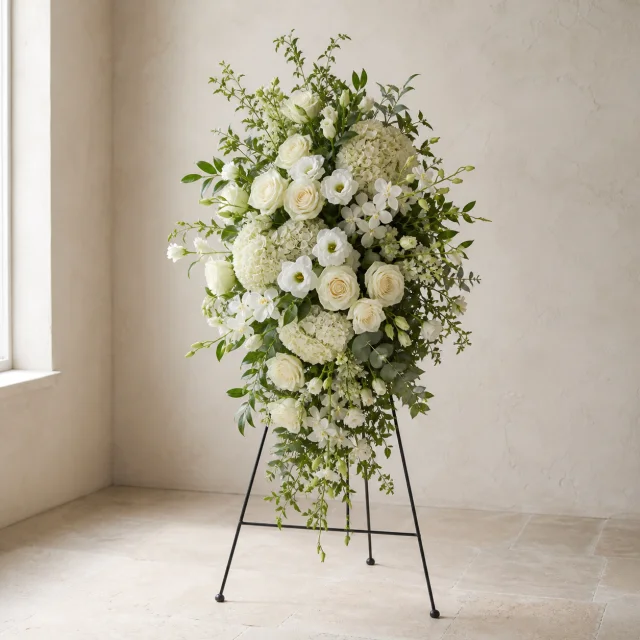
Before arrangements leave the service, ask a helper to keep each card with its flowers or record which card belongs to which design. A private photograph can help you remember the arrangement later. Do not post photographs of names, personal messages, or addresses without permission.
Make a simple list with the sender, the gift, a contact address, and whether you have replied. If a card says only a first name, ask your family contact or the florist for help identifying the order through the proper channel. Do not guess and send a personal note to the wrong household.
Use a short message you can make your own
Choose one of these original examples and change the details to fit the gift you received. You can use the same basic structure for several notes. A true detail makes it personal; elaborate wording is not necessary.
- “Dear Priya, thank you for the lovely flowers you sent for Dad’s service. The yellow roses reminded us of his garden. We are grateful for your kindness. With love, Lena.”
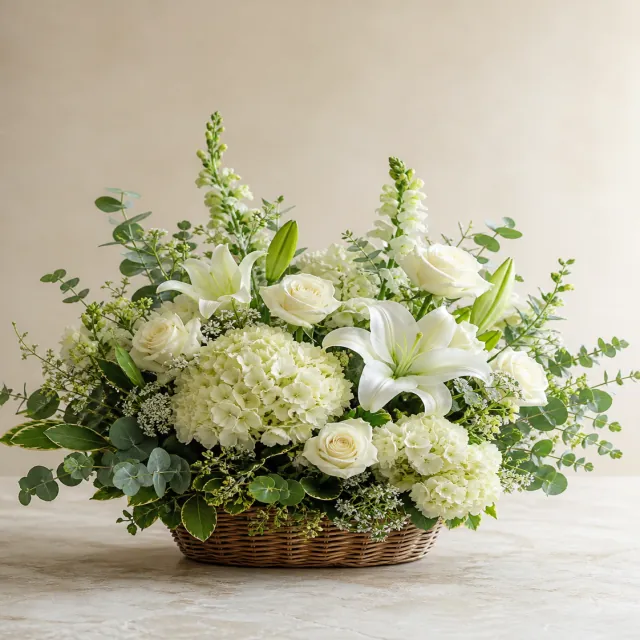
- “Dear Martin family, thank you for the beautiful basket in Elena’s memory. It meant a great deal to know you were thinking of us. With appreciation, Sofia and family.”
- “Dear June, thank you for the flowers you sent to our home. Your thoughtful note meant so much during a difficult week. Love, Alex.”
Thank a team or shared sender clearly
For a workplace arrangement, send a note to the team or the person who organized the gift and ask them to share your thanks. Use the group name from the card. You do not need to work out who contributed or how much each person gave.
For example: “To everyone at the front desk, thank you for the flowers and your kind message in Luis’s memory. Our family appreciates your thoughtfulness. With thanks, Carmen.” If someone also helped in a separate personal way, you can acknowledge that in a note to them.
Let someone help with the writing
Emily Post recommends a personal written acknowledgment for sympathy gifts and notes that someone close can help when you are not up to writing. Ask a trusted person to address envelopes, organize cards, or write an approved message on your behalf. They should identify themselves if the wording would otherwise suggest you wrote it personally.
Choose a manageable number of notes at a time. If some time has passed, begin with your thanks rather than a long apology. “I have been thinking about the kindness you showed our family” can be a natural opening. Sending thanks is not a requirement to buy another gift, and you do not need to order flowers in return.