Flower buying guide
Client Thank-You Flowers: Choose a Professional Gift Without Pressure
Decide whether a client flower gift is welcome and permitted, with transparent senders and no implied business obligation.
By Bloom Lane Flowers · Published
Options to compare
Formats to consider
Compare formats only after the relevant gift policies, recipient welcome and timing concerns are resolved. No product establishes compliance.
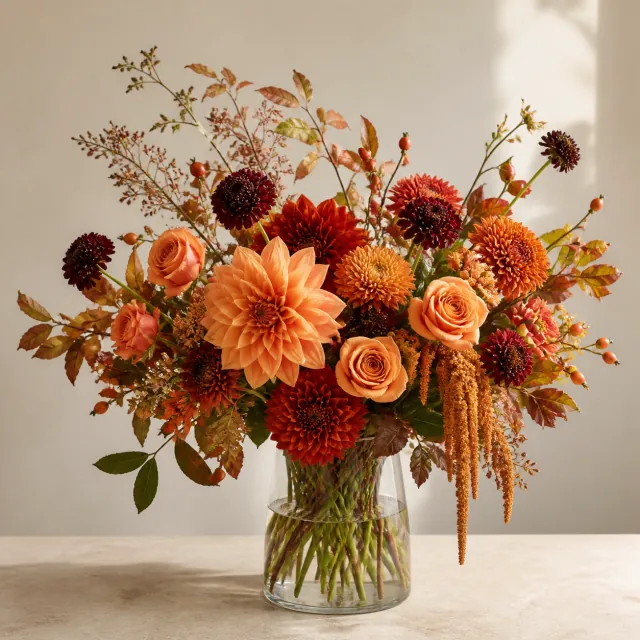
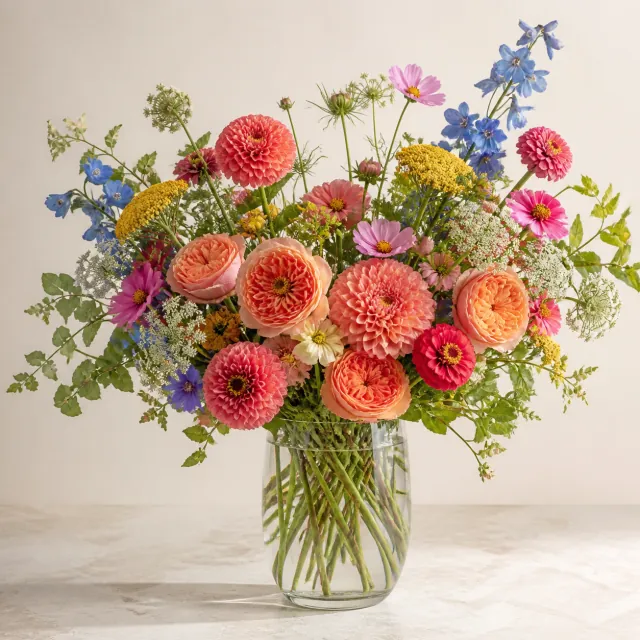
Check the selected product, delivery ZIP and available date before ordering. Availability and timing require confirmation; a requested arrival time or occasion deadline is not guaranteed by an available delivery day.
Send client thank-you flowers only when the gift is welcome, the relevant organizations allow it and the timing does not suggest an attempt to influence a business decision. When any of those points is unclear, pause the purchase and ask. A well-written thank-you message is a complete gesture; flowers are optional.
This is a practical decision guide, not legal advice. It does not establish whether a gift is lawful, compliant or acceptable in a particular relationship. Questions about anti-bribery rules, procurement restrictions or conflicts of interest belong with the appropriate policy owner or qualified adviser.
First, identify what you are thanking them for
Be specific enough that the gesture has a clear purpose. You may be thanking a client for constructive collaboration, participation in a completed workshop or time spent giving feedback.
“Thanks for helping us understand your team’s needs during the workshop” is clearer than “Thanks for everything.” It also avoids implying that a personal gift is a reward for awarding business.
Before moving to a physical gift, ask yourself whether the note can express the thanks on its own. If the answer is yes, you have a useful fallback if the client cannot accept flowers.
Do not describe a gift as “just a small gesture” to bypass a concern. The recipient should not have to justify a policy or prove that your intentions are innocent.
Ask the policy questions before choosing the flowers
Use an appropriate business contact or your own compliance process rather than asking someone to accept a gift first and resolve the rules later.
Questions worth raising include:
- Does our organization allow this kind of client gift?
- Does the recipient’s organization permit flowers, and does a limit or reporting requirement apply?
- Is the recipient involved in a tender, purchase, renewal, evaluation or another pending decision?
- Would a personal gift or a shared team acknowledgment be acceptable, if either is allowed?
- Are there additional requirements for this recipient’s role or organization?
- Who can approve the proposal if the answer is uncertain?
A completed project is not, by itself, proof that a gift is permissible. Nor does a low value automatically resolve the question. Do not split a gift, hide its sender or redirect it to a private address to get around a restriction.
If you cannot get a clear answer, send a professional note and leave out the flowers.
Distinguish the client from the whole team
When the thanks belongs to several people, sending one individual’s personal gift may communicate something different from what you intend. Ask whether a permitted shared gesture would be preferred.
A shared arrangement still needs an agreed purpose and recipient. It should not be used as a workaround for rules that prohibit individual gifts. Likewise, a gift to a company’s office is not automatically outside its gift policy.
If the client says flowers would be welcome, ask whether they prefer a personal acknowledgment or something addressed to the team. Do not assume that a senior title makes one person the natural owner of everyone else’s contribution.
Avoid using a private home address simply because you have it in your records. A business relationship does not, by itself, authorize a personal gift at home.
Choose a restrained form only after the decision is settled
Designer’s Choice is a catalog option for a florist-led seasonal arrangement. Its catalog offers scale and palette directions, so it can be considered when a permitted gift calls for an agreed style rather than an exact flower recipe. Confirm the details that matter to the recipient; the name is not a compliance assurance.
Gathered Garden, described as a mixed garden arrangement in a clear glass vase, is another ordinary gift format to consider when flowers are welcomed and there is an agreed place for the arrangement.
Choose the format and scale against the approved brief. Do not treat a grander gift as a stronger thank-you or assume a compact arrangement satisfies a gift-value rule. The person responsible for policy approval needs the actual proposal, not a marketing adjective.
No particular product can determine whether the gift is appropriate in your client relationship.
Make the sender and message transparent
Name the sender and organization clearly. If the gift is from a team, identify that team accurately. Keep sales requests, referral requests and reminders about future business out of the card.
For a completed workshop:
“Thank you to the Northbridge team for your thoughtful participation in the workshop. Your questions helped make the discussion useful. With appreciation, Elena and the project team at Cedar Studio.”
For constructive feedback:
“Thank you, Jordan, for the time you spent sharing feedback on our process. We appreciated your clarity and candor. Best wishes from the Cedar Studio team.”
Neither message asks the recipient to reciprocate, post a photograph or make another decision.
If the client declines, accept that immediately: “Of course—thank you for letting us know. Please accept our thanks in the note instead.” Do not offer another channel or a different recipient to salvage the purchase.
Professional gratitude is clearest when it can be accepted—or declined—without consequence. Settle permission and policy first, then choose the gift.