Flower buying guide
Mother's Day Flowers: Plan Around the Person, Not the Deadline
Choose a welcome Mother's Day gesture using the recipient's preferences, family circumstances, and an agreed plan.
By Bloom Lane Flowers · Published
Options to compare
Formats to consider
Consider these formats only if flowers are welcome. Compare the selected size and palette, and confirm any essential ingredients, dimensions or receiving details before ordering.
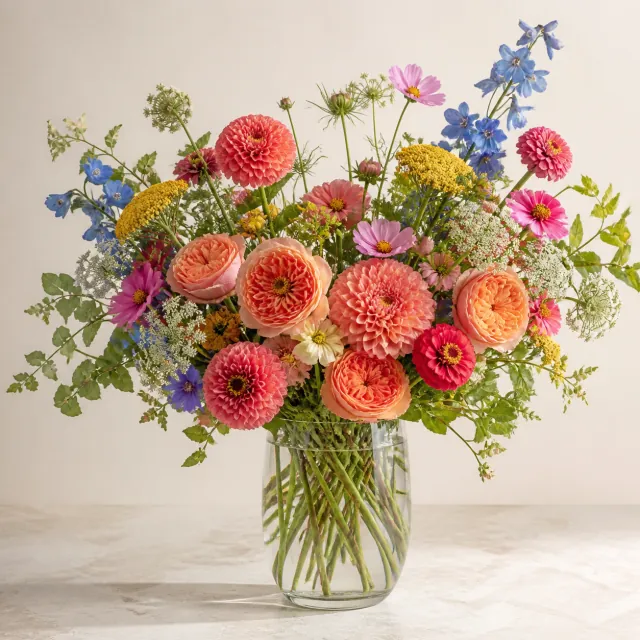
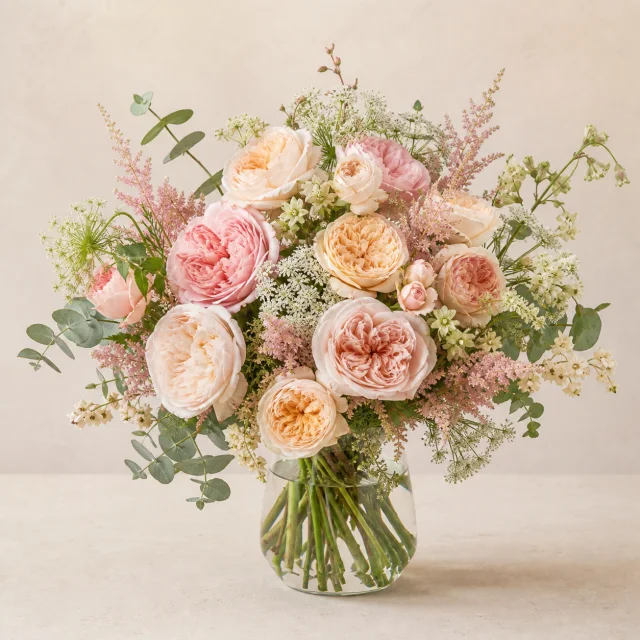
Check the selected product, delivery ZIP and available date before ordering. Availability and timing require confirmation; a requested arrival time or occasion deadline is not guaranteed by an available delivery day.
The first Mother’s Day decision is not which flowers to order. It is whether this person would welcome the gesture, how they like to mark the occasion, and what would make receiving it comfortable. Choose the flowers after those answers, then confirm the order’s actual arrangements rather than assuming a holiday delivery promise.
A gift can honor a mother, grandmother, stepmother, or another person whose care you want to recognize. Use the relationship and language that person welcomes. You do not have to make their role fit a stock card or turn a complicated family story into a cheerful holiday slogan.
Decide what you are recognizing
For someone who enjoys Mother’s Day, a straightforward celebration may be right. For someone navigating loss, estrangement, infertility, or another difficult circumstance, the same wording may be unwelcome. You do not need to investigate private details to be considerate. Pay attention to what they have shared, and ask when you are unsure.
Try: “Would you enjoy flowers for Mother’s Day this year, or would you rather we keep the day low-key?” A different answer this year does not contradict last year’s preference. It gives you a better plan for the person as they are now.
If the person does not want the occasion marked, do not send flowers labeled “just because” as a workaround on the same day. Honor the answer. A separate, agreed visit or a note at another time may be more fitting, if welcome.
Use something they actually like
Build the choice from a small piece of reliable knowledge: a flower they have mentioned, a style they enjoy arranging, or a palette they repeatedly choose for themselves. Mother’s Day imagery is not evidence that everyone wants pink flowers, roses, or a large display.
Two catalog starting points serve different visual preferences:
- Gathered Garden is described as a mixed garden arrangement in a clear glass vase. Consider it for someone who enjoys a varied garden-style display.
- Blush Garden Roses is described with blush and ivory garden roses, seasonal texture, and a loose shape. Consider it when that rose-focused style matches the recipient’s taste.
Neither choice establishes a particular holiday recipe or date-specific availability. If an exact flower matters, ask about it before ordering. If the person mainly likes a general look, distinguish that flexible preference from a must-have ingredient.
An arrangement in a vase can remove the need to find a separate container, but it still needs a place and care. Someone traveling, hosting, or trying to keep surfaces clear may prefer a smaller gesture or no flowers. More flowers do not automatically mean more appreciation.
Make one family plan, not several competing surprises
When siblings or relatives want to contribute, agree whether this is a shared gift or separate personal gifts. Ask who will place the order, who will confirm the details, and whose names should appear on the card. Avoid making the recipient work out whether an unsigned bouquet came from one child or the whole family.
A group gift can be useful when the recipient would prefer one arrangement rather than several. Separate gifts may be appropriate when each sender wants to express something different and the recipient welcomes them. Neither approach is a measure of family closeness.
Keep messages honest about authorship. “From all of us” should mean the named people agreed to participate, not that one buyer assumed everyone would want their name included.
Plan the moment she would enjoy
Ask whether flowers are wanted at home before the day, during an agreed visit, or at another convenient time. You can keep the design a surprise while confirming a receiving plan. “Would Saturday at home work for a gift?” does not reveal every detail.
Then ask the florist about the specific order and date. A catalog product or a general delivery statement is not confirmation of a Mother’s Day slot, an arrival time, or holiday service. If timing remains unresolved, do not promise the recipient flowers at breakfast or during a gathering. Choose a confirmed alternative plan, or tell them the gift will follow without naming an unconfirmed arrival.
An earlier or later gesture can be intentional: “I’d like you to enjoy these when you’re home rather than while we’re all out.” That is more personal than treating the calendar as a deadline the recipient must organize around.
Write appreciation without assigning a role
Name a real act or quality instead of relying on “best mom ever.” For example:
“Thank you for making room for my long phone calls, even when I haven’t known how to start them. I love you, and I’m glad we have Sunday together.”
For a grandmother who enjoys the holiday:
“Your kitchen-table stories are some of my favorite family memories. Happy Mother’s Day, Grandma—with love from all three of us.”
If a quieter message has been welcomed:
“Thinking of you with love today. No need to reply; I just wanted you to know you’re on my mind.”
The right gift is the one that respects her preferences and circumstances. The flowers support that attention; they do not replace it.