Flower buying guide
What Are Garden Roses in a Bouquet? Read the Rose Description Before You Buy
Separate cut-flower garden roses from planting shrubs, then compare bloom style, variety details and counted versus uncounted rose options.
By Bloom Lane Flowers · Published
Garden-rose style or a stated count
Neither listing names the supplied cultivars. Lilac Avenue tiers do not specify numerical rose counts.
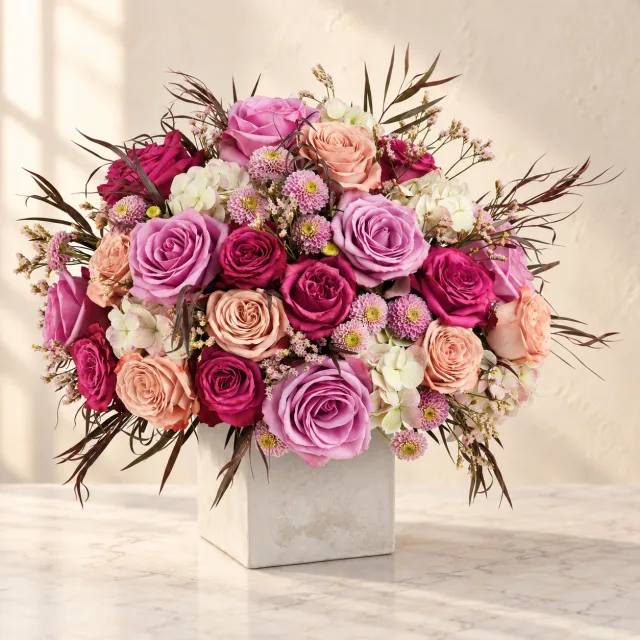
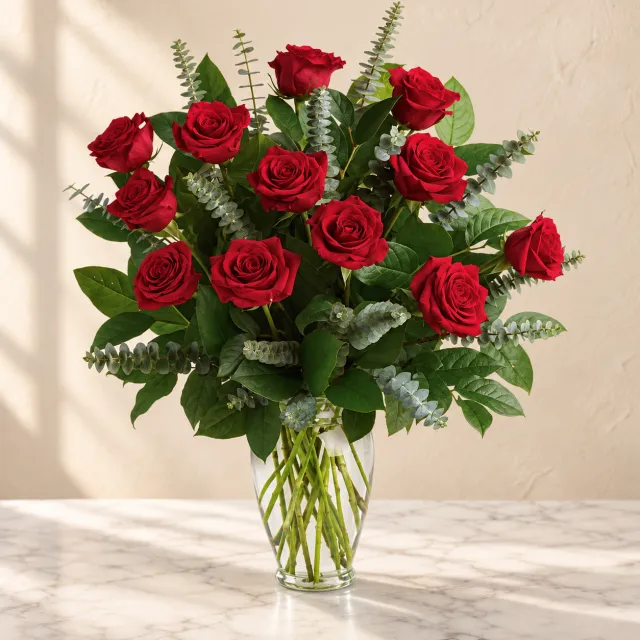
Compare the description and selection options: Lilac Avenue Bouquet uses Classic, Signature and Grand arrangement tiers without listed numerical rose counts. Classic Roses offer 12, 24 or 36 roses and a separate color choice. Neither listing names the supplied rose cultivars. Compare this group.
Check the selected product, delivery ZIP and available date before ordering. Availability and timing require confirmation; a requested arrival time or occasion deadline is not guaranteed by an available delivery day.
Jump to a section 5 sections
In a bouquet listing, “garden roses” is a starting description, not a complete flower specification. Look for the bloom style the seller describes, whether a particular rose variety is named, and what the selected size actually includes. The words alone do not tell you the rose count, fragrance or container.
Bloom Lane’s Lilac Avenue Bouquet shows why: its description is specific about lavender, mauve, magenta and peach roses with white hydrangea, pink button poms and limonium in a stone-finish cube. Its size choices describe arrangement fullness, not numbered bundles of roses. That distinction matters more at checkout than the product name alone.
A cut-flower rose is not the same purchase as a garden shrub
“Garden” can be confusing because roses are also sold as living plants for outdoor growing. A florist’s rose arrangement and a shrub for planting are different purchases, even when their flowers have a similar appearance.
Rose breeder David Austin distinguishes its wedding cut roses from its garden shrubs. Its cut roses are specifically bred for floristry, with long, straight stems and generous bloom heads. Its shrub roses are developed for growing and flowering in the garden. This is a distinction within that breeder’s collections, not a rule that every rose cut from a garden is unsuitable for a vase.
The useful buyer takeaway is that a garden-like flower does not necessarily mean a stem freshly cut from someone’s outdoor rose bed. There are roses bred specifically for bouquets and arrangements. Nor does a bouquet listing offer a living rose plant unless it explicitly says so.
This breeder evidence explains the distinction; it does not establish that Bloom Lane supplies David Austin roses. Neither rose listing names a breeder or cultivar—the particular named rose variety.
Separate bloom shape, variety and color
Read these as different pieces of information:
- Bloom shape: Layered, ruffled or cupped descriptions concern the flower’s appearance. A loose arrangement shape concerns how the whole design is assembled. Those are not the same measurement.
- Variety: A cultivar name identifies a particular rose more precisely than “garden roses.” If that identity matters, ask which variety can be confirmed for your order.
- Color: Blush or ivory describes a palette, not a variety, fragrance or rose count.
David Austin’s cut-rose collection explains that individual roses have their own characteristics and that some change form, texture or color as they open. Its individual variety descriptions also differ in scent and opening behavior. Do not read “garden roses” as a promise of strong fragrance or an identical fully open flower on arrival.
If you want a particular open-bloom look for a specific day, ask about the expected opening stage and the available varieties. Do not apply another breeder’s variety-specific opening timetable to an unnamed arrangement. Likewise, “premium” and “garden” are not enough information to predict which bouquet will last longer.
Arrangement tiers and rose counts are different options
The two Bloom Lane listings let you make different kinds of selections:
| What to compare | Lilac Avenue Bouquet | Classic Roses |
|---|---|---|
| Description | Lavender, mauve, magenta and peach roses with white hydrangea, button poms and limonium in a stone-finish cube | Premium roses in a clear glass vase |
| Size options | Classic, Signature, Grand | One dozen, two dozen, three dozen |
| Numerical rose counts | Not stated in the tier descriptions | 12, 24, 36 roses respectively |
| Color selection | Described lavender, mauve, magenta and peach palette | Separate color options; not only red |
| Named varieties | Not specified | Not specified |
For Lilac Avenue Bouquet, Classic is the size shown in the product photo; Signature adds more flowers in the same colors, and Grand is described as the fullest arrangement. These descriptions do not convert Classic into 12 roses or establish an exact stem total for any tier.
For Classic Roses, the option details explicitly state 12, 24 or 36 premium roses. Color is a separate selection, so review both choices before ordering.
Even an explicit count does not establish finished width or height. If the arrangement needs to fit a particular spot, ask for dimensions rather than translating a count or tier name into a guessed size.
Ask for the missing detail that would change your order
A focused question is more useful than “Will it look exactly like the photo?” Choose the question that matches your requirement:
- An exact number matters: “Does this garden-rose tier include a confirmed number of roses, or is it selected for overall fullness?”
- A particular flower matters: “Can you confirm the supplied rose variety? If it is unavailable, what would change?”
- Scent matters: “Can you confirm the expected fragrance of the roses supplied for this order?”
- The container matters: “Will the selected option arrive in the container described?” Lilac Avenue Bouquet describes a stone-finish cube and Classic Roses a clear glass vase; ask if an exact vessel is essential.
If the answer is essential, resolve it before buying rather than treating an order note as confirmation. For interpreting the rest of the image, use the guide to choosing flowers from a product photo. For color meanings rather than flower terminology, see rose colors and how many to send.
Choose Lilac Avenue Bouquet when its described mixed-rose palette and fuller arranged design are what you want. Choose Classic Roses when a stated rose count and separate color choice better define your order. In either case, let the description and selected options—not an assumption about “garden,” “Signature” or a photograph—set your expectations.
Further reading
Compare the flowers in this guide
Compare the description and selection options
Lilac Avenue Bouquet uses Classic, Signature and Grand arrangement tiers without listed numerical rose counts. Classic Roses offer 12, 24 or 36 roses and a separate color choice. Neither listing names the supplied rose cultivars.
Check the selected product, delivery ZIP and available date before ordering. Availability and timing require confirmation; a requested arrival time or occasion deadline is not guaranteed by an available delivery day.
Compare the Classic, Signature and Grand options. Ask before ordering if an exact rose count, variety or container is essential.
Explore Classic Roses: Choose 12, 24 or 36 roses and review the selected color. The description specifies a clear glass vase.